A lot of small business websites stay online years longer than they should.
Not because they are performing well. Mostly because nobody has had time to deal with them properly.
Your website still technically works. The phone number is there. The contact form exists. A few leads still come through every month. So updating the site keeps sliding further down your priority list while you focus on operations, staffing, customers, and everything else demanding your attention attention.
Meanwhile your website slowly becomes less effective.
This happens constantly with service businesses, contractors, clinics, consultants, local retailers, and family-run companies. Your site may have been built years ago in GoDaddy, Wix, or Squarespace, or one of the newer AI website builders. At the time, getting something online quickly was your goal.
There is nothing wrong with that.
The issue comes later when your business grows but your website never evolves with it.
Customer expectations change. Competitors improve their websites. Mobile browsing becomes more important. Search engines change how they rank content. AI-powered search tools begin pulling information directly from websites that are structured clearly and updated regularly.
Older websites struggle to keep up with all of this.
Most businesses don’t notice the decline immediately because it happens gradually. Fewer people fill out forms. More visitors leave quickly. Google rankings slip. Marketing campaigns become less effective. Your website stops supporting growth the way it should.
Here are some of the clearest signs it may be time for a website makeover.
1. Your Website Looks Outdated Compared to Competitors
People compare businesses online constantly, even when they are referred directly by someone they trust.
A potential customer hears your company name, opens your website, then opens two competitors in separate tabs. Within a few seconds they are already forming opinions about credibility, professionalism, and quality.
If your website feels older, cluttered, difficult to navigate, or visually inconsistent, it creates hesitation immediately.
This does not mean every business needs a flashy or ultra-modern website. In fact, many small business websites perform better when they are clean, straightforward, and easy to use. The problem is that many older websites still rely on outdated layouts and design choices that make the business feel neglected online.
Homepage sliders are a common example. Years ago they appeared on almost every business website because they looked impressive. Today most people scroll past them without reading anything. The same goes for tiny text, cramped layouts, generic stock photography, oversized navigation menus, and pages overloaded with information.
A website doesn’t need to be super trendy. It just needs to feel current, trustworthy, and easy to navigate.
2. The Mobile Experience Feels Frustrating
Many websites that look acceptable on desktop completely fall apart on mobile devices.
This is a major problem because most people now visit websites from their phones first. They are searching during lunch breaks, while commuting, sitting in waiting rooms, or quickly comparing companies between tasks. If the mobile experience feels awkward or frustrating, they leave quickly.
A surprising number of small business websites were never truly designed for mobile use. They were desktop websites forced into smaller screens afterward.
That usually creates issues like text that is too small to read comfortably, buttons packed too closely together, oversized images slowing everything down, or contact forms that don’t work on a phone.
Older WordPress themes, DIY website builders, and websites assembled over time by multiple people often struggle the most here. Every new plugin, layout adjustment, or content addition slowly adds more friction to the mobile experience.
Most visitors will never complain about this directly. They simply leave the website and continue searching elsewhere.
3. Your Website Is Slow
Most businesses do not realize how slow their website has become because they are used to it.
They open the same pages every day on the same office computer with cached files and decent internet, so the site feels normal. Meanwhile potential customers are opening it for the first time on their phone while standing in a parking lot, sitting in traffic, or quickly comparing options between meetings.
That experience is very different.
A slow website creates friction almost immediately. Pages hesitate before loading. Images jump around. Buttons lag. Mobile menus feel clunky. Contact forms take too long to appear. None of this feels dramatic on its own, but together it changes how people interact with the site.
Usually they leave faster.
Many small business websites become slow gradually over time. A plugin gets added. Then another. Large image files are uploaded directly from someone’s phone. Tracking scripts pile up. A page builder gets layered on top of another page builder because somebody wanted a new layout without rebuilding anything properly.
A few years later, that website is dragging itself through every page load.
This is especially common with websites that were built quickly, heavily customized over time, migrated multiple times, or left running on cheap hosting environments without much maintenance.
Website speed also affects much more than user experience. Google factors page speed into rankings. Paid advertising becomes less efficient when landing pages perform poorly. Mobile users abandon slow websites quickly. AI-powered search systems also prioritize websites that are technically strong and easy to crawl.
In other words, speed affects visibility, trust, and conversions all at once.
4. You Are Getting Website Traffic But Very Few Leads
This is usually where businesses begin questioning whether the website is helping at all.
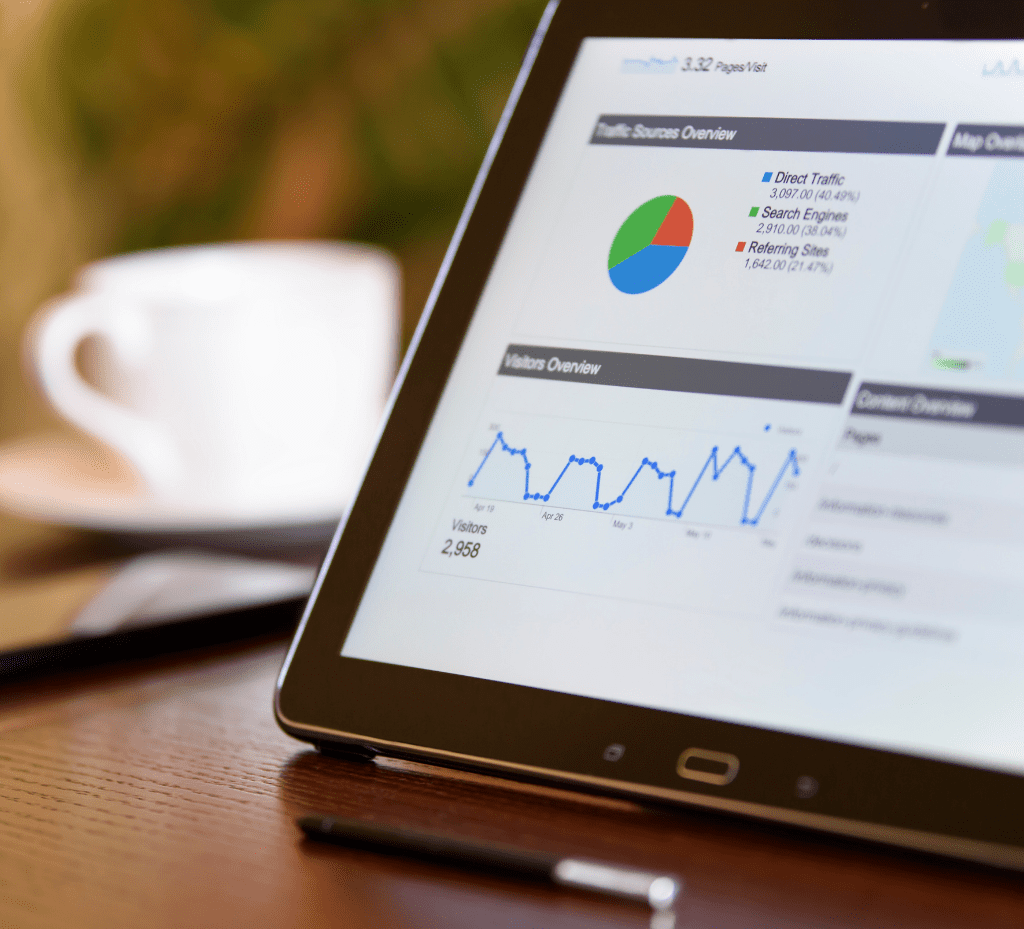
Traffic may still be coming from Google, referrals, social media, outbound emails, or advertising campaigns, but inquiries stay flat. The website gets visitors, yet very few people actually contact the business afterward.
In many cases, the problem is not the traffic itself. It is what people experience once they arrive on the site.
A lot of older small business websites were built around what the company wanted to say rather than what potential customers needed to know. The homepage talks about being passionate, experienced, family-owned, or committed to quality, but never clearly explains why someone should choose the business over competitors nearby.
People visit websites looking for quick answers. They want to understand what the business does, whether it looks credible, and how to take the next step. If the messaging feels vague, the layout feels cluttered, or the navigation creates confusion, visitors leave quietly without contacting anyone.
This often happens on websites that have been patched together over several years without much structure behind them. New services get added. New pages appear. Different people edit content at different times. Eventually the website starts feeling disconnected even if the business itself is highly organized.
Many businesses continue investing in marketing while sending traffic to a website that is quietly reducing conversions in the background.
5. Your Website Was Built Quickly and Never Properly Updated
This describes a huge percentage of small business websites.
The original goal was simply getting something online quickly. Maybe the site was built during a busy season. Maybe someone internal handled it between other responsibilities. Maybe it was assembled in GoDaddy, Wix, or Squarespace, using a template that looked decent enough at the time.
That approach makes sense early on.
The problem happens when the business grows while the website stays frozen in an earlier version of the company.
Over time, businesses expand services, improve operations, hire staff, enter new markets, and invest more heavily into marketing. Meanwhile the website still reflects the business from three or five years ago.
This usually creates websites that feel inconsistent. Some pages look modern while others clearly have not been touched in years. Messaging changes from page to page. Navigation becomes overcrowded because new sections were added without reorganizing the structure underneath.
Visitors may not consciously identify these issues, but they still feel the lack of polish and consistency while browsing the site.
A good website should feel intentional. It should guide people naturally through the business instead of feeling like a collection of disconnected pages created at different points in time.
6. Updating the Website Feels Like a Chore
Many businesses avoid updating their website because they are worried something will break.
That alone is usually a warning sign.
Simple tasks like uploading photos, changing service descriptions, updating staff information, or publishing blog posts should not feel stressful. Yet many older websites become difficult to manage because they were built without long-term maintenance in mind.
This is especially common on older WordPress websites loaded with outdated plugins, conflicting themes, and years of quick fixes layered on top of each other.
Eventually businesses stop touching the website altogether because every update feels risky or frustrating.
The problem is that stale websites become obvious very quickly. Old blog posts, outdated promotions, broken links, and neglected content create the impression that the business itself may also be disorganized or inactive.
Even if that is completely inaccurate, perception matters online.
Modern websites should be easier to maintain and structured properly from the beginning so businesses can continue updating them without constant technical issues getting in the way.
7. Your Website Does Not Match the Quality of Your Business
Some excellent businesses have surprisingly weak websites.
Usually this happens because the company grew through referrals, reputation, and word of mouth without needing to rely heavily on online marketing for years. The business itself may be highly professional and successful while the website still feels generic, outdated, or unfinished.
That disconnect becomes more noticeable as competitors improve their online presence.
People research companies online before reaching out. Even strong referrals usually lead to a website visit at some point. If the website feels outdated or unprofessional, it changes perception immediately before any actual conversation happens.
This becomes especially important in competitive industries where customers compare multiple businesses offering similar services. The website often becomes one of the first signals people use to judge professionalism and credibility.
A stronger website helps reinforce the quality of the business behind it instead of quietly undermining it.
8. Your Website Is Hard to Find in Search
Search engine optimization has changed significantly over the last few years.
Older websites were often built around outdated SEO practices focused heavily on keywords without much attention to structure, mobile usability, page speed, or content quality.
Modern search systems evaluate so much more than that.
Websites now need strong technical performance, useful content, strategic organization, and pages that directly answer the types of questions people are searching for online. AI-powered search tools also prioritize websites that explain information clearly and demonstrate topical relevance.
Many older websites struggle here because they were never structured with modern search behavior in mind.
This affects visibility across:
- Google search
- local map results
- Google AI Overviews
- ChatGPT recommendations
- conversational search queries
Businesses sometimes assume their industry has simply become more competitive online when in reality the website itself has fallen behind modern SEO and AI search expectations.
9. Your Branding Feels Inconsistent
Businesses evolve over time, but websites often struggle to evolve cleanly alongside them.
The logo changes slightly. Messaging shifts. New photography gets added in some places but not others. Colors change gradually. Service descriptions are rewritten at different times by different people.
Eventually the website stops feeling cohesive.
Consistency matters because it helps build trust. A polished website feels intentional and professional. An inconsistent website feels patched together over time.
Visitors notice these things quickly even if they cannot explain exactly why the site feels off.
A website makeover often helps unify branding properly so the entire experience feels aligned instead of fragmented.
10. You Avoid Sending People to Your Website
This is probably the clearest sign of all.
Many businesses quietly lose confidence in their website long before they admit it openly.
They rely more heavily on social media, referrals, PDFs, direct conversations, or email because they know the website no longer represents the business well. Sometimes they hesitate before sharing the link because they already know it feels outdated.
That hesitation matters.
A strong website should feel like an asset that supports marketing, sales conversations, referrals, and trust-building. Businesses should feel confident sending people there knowing the experience reflects the quality of the company itself.
If the website feels like something you need to apologize for internally, it is probably time for an update.
Final Thoughts
Many small business websites continue operating long after they stop performing properly because there is never one dramatic breaking point.
The site still exists. Leads still come in occasionally. Customers still find the phone number.
So the redesign keeps getting delayed.
Meanwhile search engines evolve, competitors improve their websites, mobile expectations continue increasing, and AI-powered search tools become more important every year.
At some point the website stops helping the business grow and starts quietly holding it back instead. Usually much earlier than people realize.
If any of this sounds familiar, your website might need a makeover. At The Website Makeover, we work with businesses that have outgrown their current website or feel like it no longer reflects the quality of the business behind it. Get in touch with us for a free home page layout to see the difference a new website could make for your business.